
Healing After Bone Graft Surgery: What to Expect in the First Month
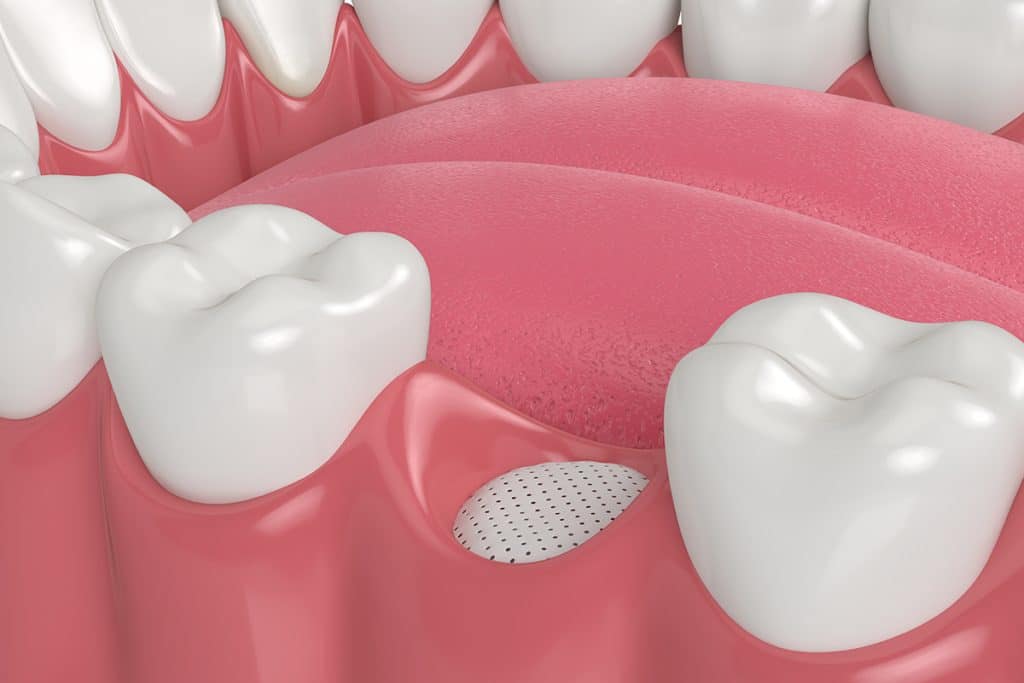
Bone grafting is a solution to bone loss in the jaw. It can stimulate regeneration of bone tissue to create a firmer foundation for dental implants. When it comes to missing teeth, the longer they are gone the greater the chance of bone loss. Without sufficient bone density, dental implants are not able to be placed successfully.
For patients with one or more missing teeth, bone grafting may be needed before the teeth can be replaced with implants. While other tooth replacement options may be possible, dental implants are the best treatment for long term oral health.
If you’re considering or planning for bone grafting, you may be wondering how long it will take to heal. Here’s what you can expect along with some tips for a smooth recovery.
Why Bone Graft Healing Matters
Bone grafting is a single procedure, but the weeks and months that follow are where the real progress happens. It involves the placement of bone material in the socket where the tooth is missing. It is placed under the gums on top of the existing bone to thicken it and stimulate growth of new bone tissue.
The process of regeneration takes a few months as the bone cells populate, creating a wider and denser base of support for dental implants. Allowing time for healing is essential to the success of the treatment, as well as the longevity of your dental implants.
The First 72 Hours: Immediate Recovery
Immediately following your bone graft surgery you can expect some swelling, minor bleeding, and discomfort. Over the counter pain medication, especially anti-inflammatory types like ibuprofen, can help you feel more comfortable during recovery. Applying ice to the affected area during the first 24 hours can help to reduce swelling. Limit activity and eat a soft diet to prevent irritation to the surgical site.
Week 1: Early Healing and Symptom Changes
During the first week you should see improvement after a few days, including reduced swelling and discomfort. You should begin to see signs of gum tissue healing, such as the sutures dissolving and coming out. Be sure to follow your oral surgeon’s instructions for oral hygiene, such as avoiding brushing and flossing at the surgical site. Rinse your mouth with warm salt water to keep the area clean and rinse away food residue.
Weeks 2–4: Bone Integration and Continued Recovery
By the second week you are most likely feeling much better and may be able to eat normally. Take care to avoid chewing on the affected side as the tissues continue to heal. In the third and fourth week the bone graft begins to stabilize and integrate with natural bone. You should see continued improvement in the appearance of the gum tissue as it fully heals over the graft.
Tips for a Smooth Recovery
- Follow your oral surgeon’s instructions for after care.
- Attend all follow-up appointments to monitor healing.
- Avoid hard, crunchy, and spicy foods for the first few weeks to prevent irritation.
- Maintain oral hygiene through salt water rinses or a water flosser. Resume brushing and flossing when permitted by your oral surgeon.
When to Contact Your Oral Surgeon
- Excessive pain
- Prolonged swelling
- Ongoing bleeding
- Fever
If you experience these or any other abnormal symptoms, contact your oral surgeon. You may have a post-operative infection or some other type of complication that requires professional care.
Your Path to Long-Term Oral Health
Bone grafting may come with an extensive healing period, but the end result is worth the wait. Not only will you have the ability to receive dental implants, the highest quality tooth replacement option available, but also a stronger jaw and improved facial structure. Long-term oral health is the ultimate result.
Contact us at Oral Facial Surgery of Orange Park today to schedule a consultation and take the first step in your restorative journey.
Frequently Asked Questions About Bone Graft Healing
How long does it take for a bone graft to fully heal?
The entire process from the procedure to the end result can range anywhere from 3 to 6 months. In some cases it can take longer to heal due to factors such as varying rates of healing and age.
Is swelling normal after bone graft surgery?
Some swelling is normal after bone graft surgery. However, severe swelling that impedes breathing is not normal, and may require specialized treatment.
Can I return to normal activities after a bone graft?
Most patients can resume light daily activities within a few days, but strenuous exercise should be avoided for at least 1–2 weeks. Your oral surgeon will provide specific guidance based on your procedure and healing progress.
What foods should I eat during recovery?
Soft foods such as yogurt, mashed potatoes, eggs, and smoothies are recommended during the initial healing phase. Avoid hard, crunchy, or spicy foods that could irritate the surgical site.
How do I know if my bone graft is healing properly?
Signs of proper healing include reduced swelling, minimal discomfort, and no signs of infection such as fever or unusual discharge. Regular follow-up visits help ensure everything is progressing as expected.
At Oral Facial Surgery of Orange Park, we are committed to providing expert surgical care in a comfortable and patient-focused environment. Our team takes pride in guiding patients through every step of their treatment, including recovery after procedures like bone grafting. Contact us today to learn more and schedule an appointment.